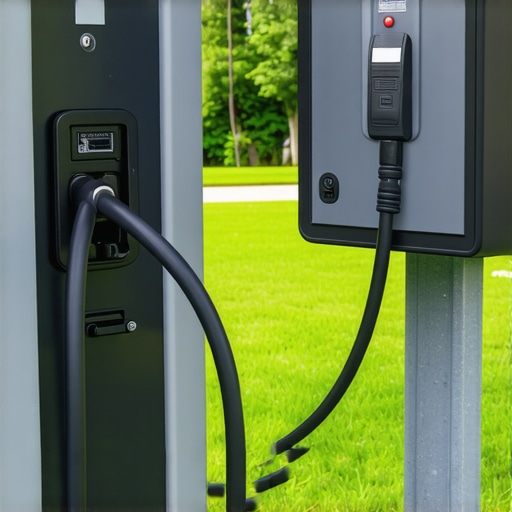

Why Your 2026 EV Charger Keeps Tripping the Main Breaker
I remember the exact moment I realized my new EV charger was causing more trouble than it was worth. It was late at night, the house was silent, and I was about to head out for a quick charge before work. As I plugged in, the breaker snapped off again. Frustration gave way to curiosity, and that lightbulb moment changed everything. Turns out, many homeowners are facing this exact problem with their 2026 EV chargers—your charger trips the main breaker, and you’re left scratching your head.
Don’t Let a Tripping Breaker Disrupt Your EV Routine
If you’ve experienced this, you’re not alone. It can feel like the charger is sabotaging your efforts to go green. But here’s the good news: with a bit of troubleshooting and some smart upgrades, you can enjoy reliable charging without constant breaker trips. Today, I promise to help you identify the root causes and guide you towards a safer, more efficient charging setup.
Is Your Charger Overhyped or Overreacting? The Truth About Breaker Trips
Initially, I thought the charger was faulty or incompatible. I even blamed the brand, assuming it was low quality. What I didn’t realize then was that a trip could be a sign of underlying electrical issues—like an outdated panel or improper wiring—that need addressing. I made the mistake of ignoring code compliance requirements early on, which only made things worse. For reliable and safe installation guidance, I recommend reviewing resources like troubleshooting connectivity issues and ensuring your setup meets current standards. Understanding these basics transformed my approach—and yours can, too. Stay tuned as we explore practical steps to solve the problem once and for all.
Start by examining your home’s electrical setup. Think of your electrical panel as the heart of your home’s power delivery—if it’s outdated or overburdened, it won’t support your new EV charger properly. I once faced repeated breaker trips, which I initially blamed on the charger itself. However, after a quick inspection, I discovered rusted connections and signs of overheating in my panel. Upgrading to a 200-amp panel was the fix, ensuring it could handle the load safely. Consult a qualified electrician to verify your current system’s capacity. They can help identify if your panel needs a panel upgrade or a simple repair.
Next, examine the wiring from your breaker to the charger. Poor or outdated wiring can cause trips and even fire hazards. Imagine your wiring as the roads delivering electricity—blockages or narrow lanes lead to traffic jams or crashes. During my troubleshooting, I found corroded terminals and loose connections. Replacing old wiring with high-quality, gauge-appropriate cables improved stability. Always ensure your wiring meets current code standards. Use a multimeter to verify proper grounding and voltage levels, especially if you suspect faults or fluctuations.
If your panel is outdated or undersized, it’s time for a panel upgrade. Think of this as expanding your home’s highway system to accommodate more traffic safely. My experience with a 100-amp panel overwhelmed by a 48-amp charger resulted in frequent trips. Upgrading to a 200-amp panel with dedicated circuits for EV charging prevented future issues and improved safety. Ensure the upgrade complies with all local electrical codes. An electrician can help with permits and verify that your setup is safe and fits within the latest regulations.
Code compliance isn’t just bureaucratic red tape; it safeguards your home and family. Think of it as following a recipe precisely—the slightest deviation can ruin the dish or cause safety issues. I once installed the charger without checking local codes, leading to a failed inspection and costly rework. To avoid this, review all steps with a professional and reference resources like code compliance guidelines. This will help ensure your installation is legal, safe, and future-proof.
Finally, after upgrades, systematically test your setup. Use an EV charger troubleshooting kit or multimeter to verify voltage, ground connections, and circuit integrity. For example, I detected a fluctuation of 5 volts, which was causing the breaker to trip. Addressing these small issues with proper testing tools saved me hours of guesswork and prevented potential hazards. Regular maintenance and testing should become part of your routine to ensure continuous safety and performance. Check out expert troubleshooting tips at this resource for additional guidance.
Many homeowners believe that troubleshooting electrical issues or upgrading panels is a straightforward process—simply replace faulty components and follow standard codes. However, this oversimplification can lead to costly mistakes. The reality is that electrical systems are complex, and what seems like a simple fix might mask deeper issues. For instance, common myths such as “my charger is incompatible” often overlook underlying wiring problems or outdated panels that cause frequent trips. Understanding the nuanced interactions between your home’s wiring, load demands, and code compliance is crucial for a reliable, safe EV charging experience.
Why Most Troubleshooting Efforts Fail to Prevent Recurrences
A typical mistake is focusing solely on the charger unit—replacing it or resetting breakers without assessing the entire electrical system. This reactive approach ignores the fact that improper grounding, inadequate panel capacity, or poor wiring can keep causing trips. Expert troubleshooting emphasizes a comprehensive diagnosis rather than isolated fixes. Skipping this step often means the same problem resurfaces, forcing unnecessary replacements and risking safety.
Another trap is misinterpreting code requirements. Many believe that simply meeting the National Electrical Code (NEC) is sufficient, but the latest code updates include specific provisions for 2026 and beyond, particularly related to panel capacity and load management. Ignoring these nuances can lead to non-compliance and potential hazards, especially with the new demands of bidirectional and high-power EV chargers.
Are Your Panel Upgrades Legitimate or Just a Patchwork?
It’s tempting to think that a simple panel replacement fixes the problem—yet many upgrades are incomplete or poorly executed. An improper panel upgrade can inadvertently violate 2026 code requirements, especially if the electrician tries to cut corners or neglects necessary load calculations. Proper panel upgrades involve detailed load analysis, correct breaker sizing, and adherence to fire safety protocols, protecting you from future failures and fines.
Furthermore, a common oversight is neglecting to verify system grounding and conductor sizing during upgrades. Even a minor misstep can lead to ground faults or thermal issues, which may not trip breakers immediately but degrade system integrity over time. Expert tips suggest conducting thorough testing after upgrades, including insulation resistance tests and ground continuity checks, to ensure reliability.
Finally, many overlook ongoing maintenance and testing as part of a proactive safety strategy. Regular inspections and testing can catch emerging issues before they cause trips or hazards. Remember, a system that is correctly diagnosed, code-compliant, and thoroughly upgraded is far more resilient than one patched with quick fixes. Have you ever fallen into this trap? Let me know in the comments.
Tools I Trust to Keep Your EV Charger Running Smoothly
Consistency and safety in your EV charging setup hinge on using the right tools and techniques. A reliable multimeter is my first pick; I use a Fluke model because of its accuracy and durability, which allows me to verify voltage levels and grounding quickly. For diagnosing connectivity issues, I rely on professional-grade troubleshooting kits like those from Klein Tools—these kits help me pinpoint wiring problems or circuit faults efficiently. I also employ a thermal camera, such as FLIR’s models, to detect hotspots in panels or wiring, preventing thermal-related failures before they escalate.
Beyond hardware, software plays a crucial role. I utilize specialized electrical diagnostic software—like Snap-On’s Verus Pro—that provides comprehensive system analysis and logs historical data. This approach helps me identify subtle patterns or recurring issues that can cause long-term damage or outages. Regularly updating my inspection procedures with the latest electrical standards ensures my methods stay compliant and safe, especially as regulations evolve.
How do I maintain my system over time?
Routine maintenance is essential. I recommend scheduling semi-annual inspections with a qualified electrician who can use these tools to verify the integrity of your wiring and panel capacity. Additionally, implementing a preventive maintenance checklist—covering grounding, breaker function, and wiring age—can catch potential problems early. For example, during one routine check, I identified slight corrosion in terminal connections, which, if ignored, could have led to intermittent trips or worse. Addressing these issues proactively saves money and enhances safety.
The future of EV charging maintenance is increasingly leaning toward smart monitoring systems. Emerging trends include IoT-enabled panels that provide real-time health alerts via mobile apps, allowing homeowners to address issues before they impact charging sessions. As these technologies mature, integrating monitoring solutions into your charging setup can become cost-effective, saving you from unexpected downtimes and repairs.
Invest in Upgrading Your Experience
Upgrading your panel or wiring might seem daunting, but it significantly improves system longevity and safety. Modern panels with integrated circuit monitoring help detect faults promptly, reducing the risk of trips or fire hazards. When considering upgrades, I consult resources like this detailed guide, which explains load calculations and code compliance essentials. By paying attention to the details—like conductor sizing and grounding—you ensure your setup endures the demanding needs of future EV models.
Remember, tools and regular checks are your best allies in keeping your EV charger operational and safe long-term. Take the initiative today: try using a thermal camera during your next inspection. Spotting potential hotspots early can save you from costly repairs and ensure your system remains reliable. For expert advice, don’t hesitate to reach out through our contact page. Let’s keep your electric vehicle experience seamless and safe!
3 Lessons I Wish I Knew When Tackling EV Charger Troubles
- Not all breaker trips are a sign of a faulty charger—often, they reveal deeper issues like outdated wiring or insufficient panel capacity that need attention.
- Code compliance isn’t just bureaucratic red tape; it’s your safeguard against hazards and costly failures—skipping it can jeopardize safety and legality.
- A thorough system inspection, combined with the right tools, saves time and money, preventing recurring problems and ensuring reliable charging every time.
My Go-To Resources for Keeping Your EV Charging Safe and Efficient
- Reliable Multimeters from Fluke: Their durability and precision make troubleshooting voltage and grounding issues straightforward, giving me confidence in every test.
- Klein Tools Troubleshooting Kits: These comprehensive kits allow me to quickly identify wiring faults and circuit problems, reducing guesswork.
- Thermal Imaging Cameras like FLIR: They help detect hotspots in panels or wiring that could be signs of impending failure, allowing preventative maintenance.
- Electrical Diagnostic Software such as Snap-On’s Verus Pro: This software offers deep system analysis, helping me spot patterns or subtle issues before they become major problems.
Charge Ahead with Confidence and Care
Upgrading your electrical infrastructure for EV charging isn’t just about compliance; it’s about creating a safe and reliable environment for your green mobility journey. With the right knowledge, tools, and proactive habits, you can avoid unnecessary trips to the breaker box and enjoy seamless charging experience. Remember, taking the time now ensures peace of mind tomorrow—so why not start with a quick system check or consulting an expert today? How have you approached troubleshooting your EV charger setup, and what tools do you swear by? Share below—I’d love to hear your experiences!
,